
Medwyn Insights
Guidance and briefings on workplace health, compliance and wellbeing, for HR and business leaders.
 Editor's pick
Measles is back: what losing elimination status means for healthcare employers
In January 2026 the UK lost its WHO measles elimination status. For anyone employing patient-facing staff, proven MMR immunity has moved from good practice to a compliance priority – here is what changed, and what to check first.
Read the article →Keeping people in work: what the Keep Britain Working review means for employers
5 min readRIDDOR reform: what the proposed changes mean for employers
6 min readSickness absence is at a decade high: how employers can respond
6 min readManagement referrals that get you a useful answer
6 min readDay-one sick pay: what the Employment Rights Act 2025 means for absence
6 min read Compliance & law
RIDDOR reform: what the proposed changes mean for employers
The HSE has proposed the biggest changes to RIDDOR in over a decade – expanding the list of reportable occupational diseases from six to nineteen, and widening who can diagnose them. Here's what's proposed, and how to prepare.
 Policy & HR
Keeping people in work: what the Keep Britain Working review means for employers
The Keep Britain Working review is shifting the national approach from signing people off to keeping them in work. Here's what it means for employers, and how to get ahead of it.
 Policy & HR
Management referrals that get you a useful answer
A vague referral gets a vague report. How to frame your questions – and handle consent – so the advice comes back useful.
 Absence management
Long-term sickness absence: a framework for HR
A practical, humane framework for managing a long absence – from staying in contact to planning a return that sticks.
 Compliance & law
Pre-employment health checks: what you can and can't ask
Section 60 limits what you can ask before a job offer. Where the line sits, the exceptions, and how to run checks properly.
Workplace health policies: do yours stand up to scrutiny?
Policies are only useful if they are current, clear and actually followed. A practical look at the health-related policies every employer should have, and keep up to date.
 Compliance & law
Hepatitis B and the healthcare worker: getting clearance right
Hepatitis B clearance for healthcare workers causes more confusion than almost any other piece of occupational health. Here's what the numbers mean, who needs what, and where the real decisions sit.
 Health surveillance
Sleep, fatigue and shift work: a guide for employers
Fatigue is a health and safety risk, not just a personal matter. What shift work does to the body, the employer's duties, and how to manage the risk.
 Policy & HR
Lone workers: a guide for employers
Lone working is more common than most employers realise. Who counts as a lone worker, your duties, fitness to work alone, and the wellbeing risks that are easy to miss.
 Compliance & law
Day-one sick pay: what the Employment Rights Act 2025 means for absence
From 6 April 2026, statutory sick pay is payable from the first day of absence. What is changing, why it matters, and what employers should do now.
 Policy & HR
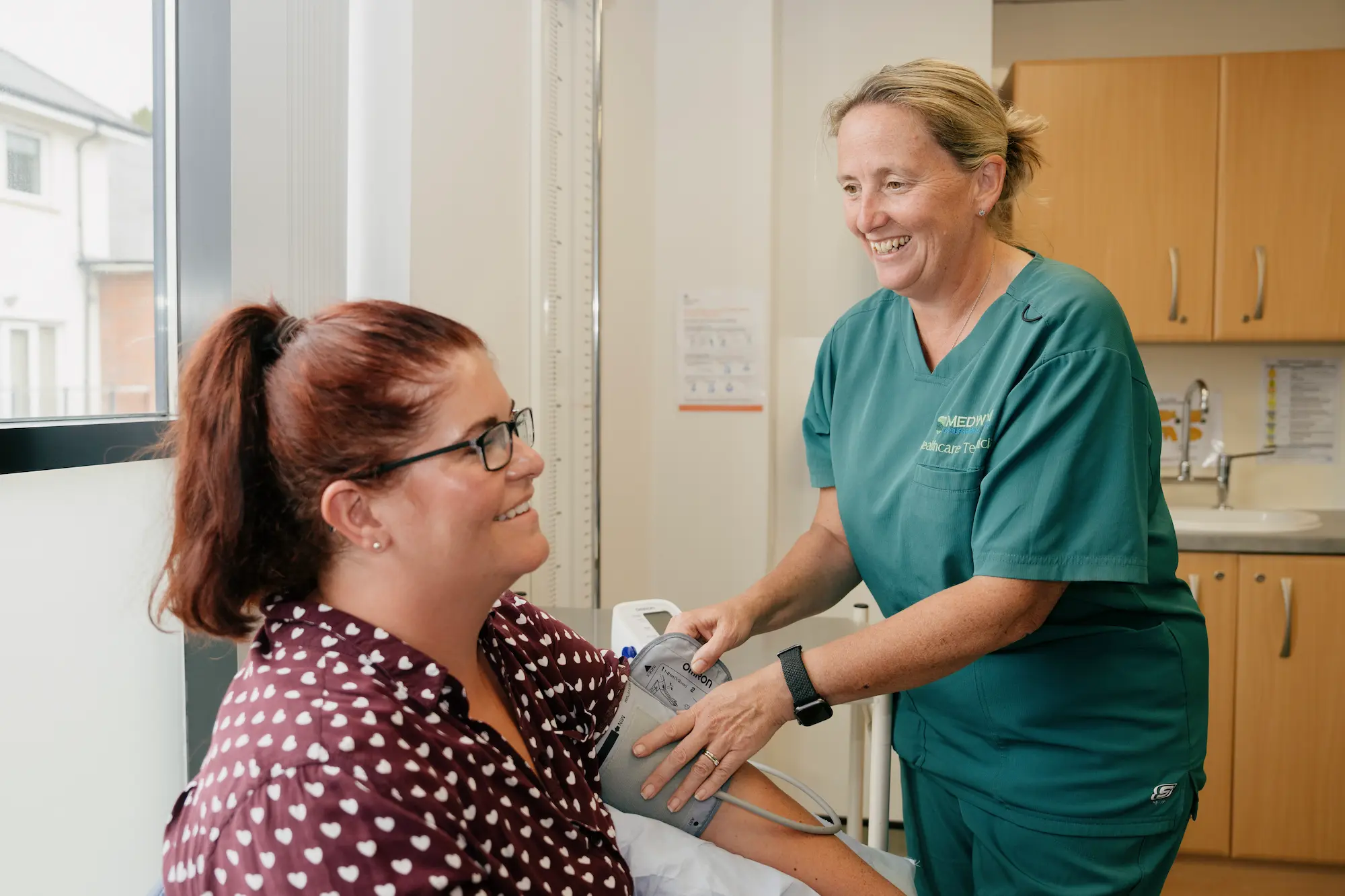
What is an occupational health assessment?
An occupational health assessment gives an employer independent, work-focused advice on how someone's health affects their job – and what would help. Here's what one involves, what you receive, and when to arrange one.
 Mental health & wellbeing
Neurodiversity at work: an employer's guide
Around one in six or seven adults is neurodivergent. What that means for employers, the legal duties involved, and the adjustments that help people do their best work.
 Policy & HR
Occupational health in 2026: what employers need to know
A look at the year ahead for workplace health: the legal changes coming, the pressures continuing, and where employers should focus.
 Mental health & wellbeing
Supporting employees through grief and bereavement
Grief reaches every workplace eventually. What the law provides, what good support looks like, and how to help someone return to work.
 Compliance & law
Reasonable adjustments: what counts as "reasonable"?
The duty to make reasonable adjustments is one of the most misunderstood in employment law. What it means, what "reasonable" involves, and how to get it right.
 Compliance & law
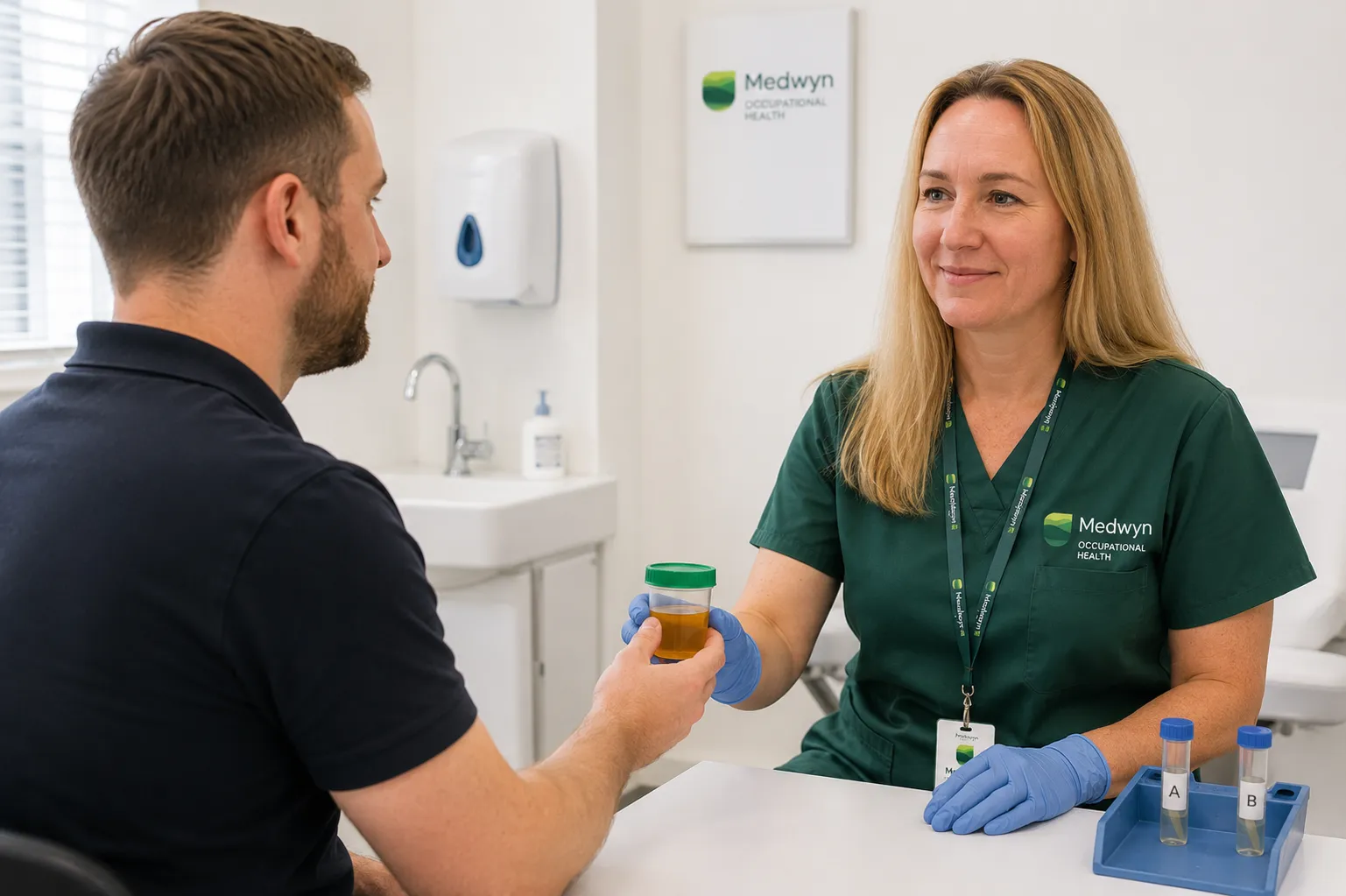
Can an employee refuse a drug or alcohol test at work?
One of the most common questions employers ask about workplace testing. The short answer is nuanced, and getting it right depends on your policy and contracts.
 Medicals & fitness
Supporting employees through menopause at work
Most women will go through menopause during their working lives, and for many it affects their work. What the evidence shows, and how employers can help.
 Health surveillance
Hand-arm vibration (HAVS): a guide for employers
One of the most common and most preventable causes of occupational ill health. What HAVS is, who is at risk, your legal duties, and how surveillance catches it early.
 Health surveillance
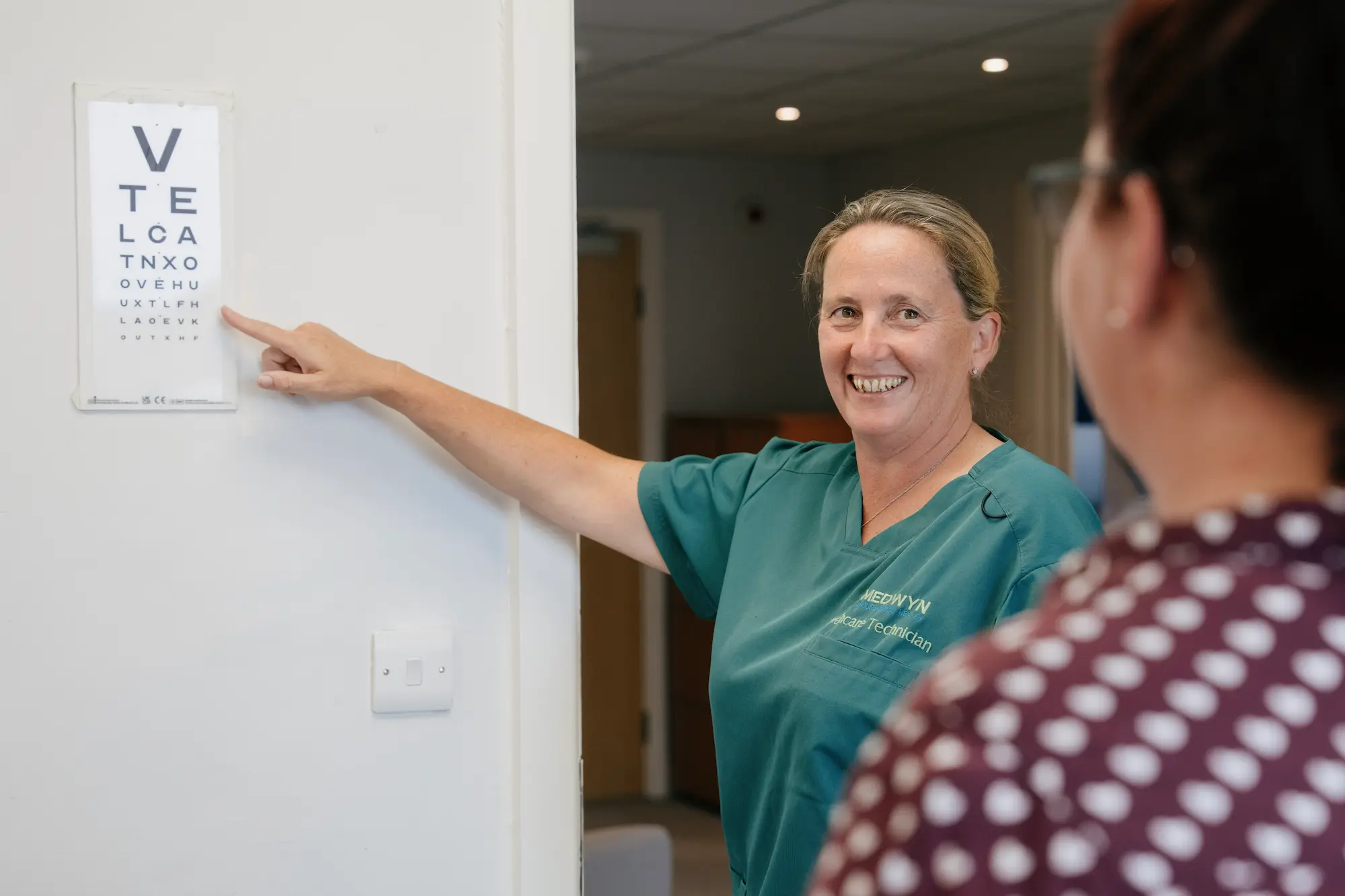
DSE and homeworking: getting workstation assessments right
Display screen equipment rules did not go away when staff went home. What employers must do about workstation assessments for office and home-based workers.
 Medicals & fitness
Supporting men's health at work
Men are less likely to seek help and more likely to delay it. What that means for employers, and the practical steps that make a difference.
 Absence management
Managing musculoskeletal disorders at work
Musculoskeletal disorders are one of the largest causes of work absence. What they are, why they happen at work, and how employers can prevent and manage them.
 Mental health & wellbeing
How to carry out a workplace stress risk assessment
Work-related stress is the leading cause of work-related ill health. A stress risk assessment is how employers identify and reduce it, and it is a legal duty, not only good practice.
 Absence management
A manager's guide to occupational health referrals
If you have been asked to refer someone to occupational health without much explanation, here is what a referral is for, how to make a good one, and what to do with the report.
 Absence management
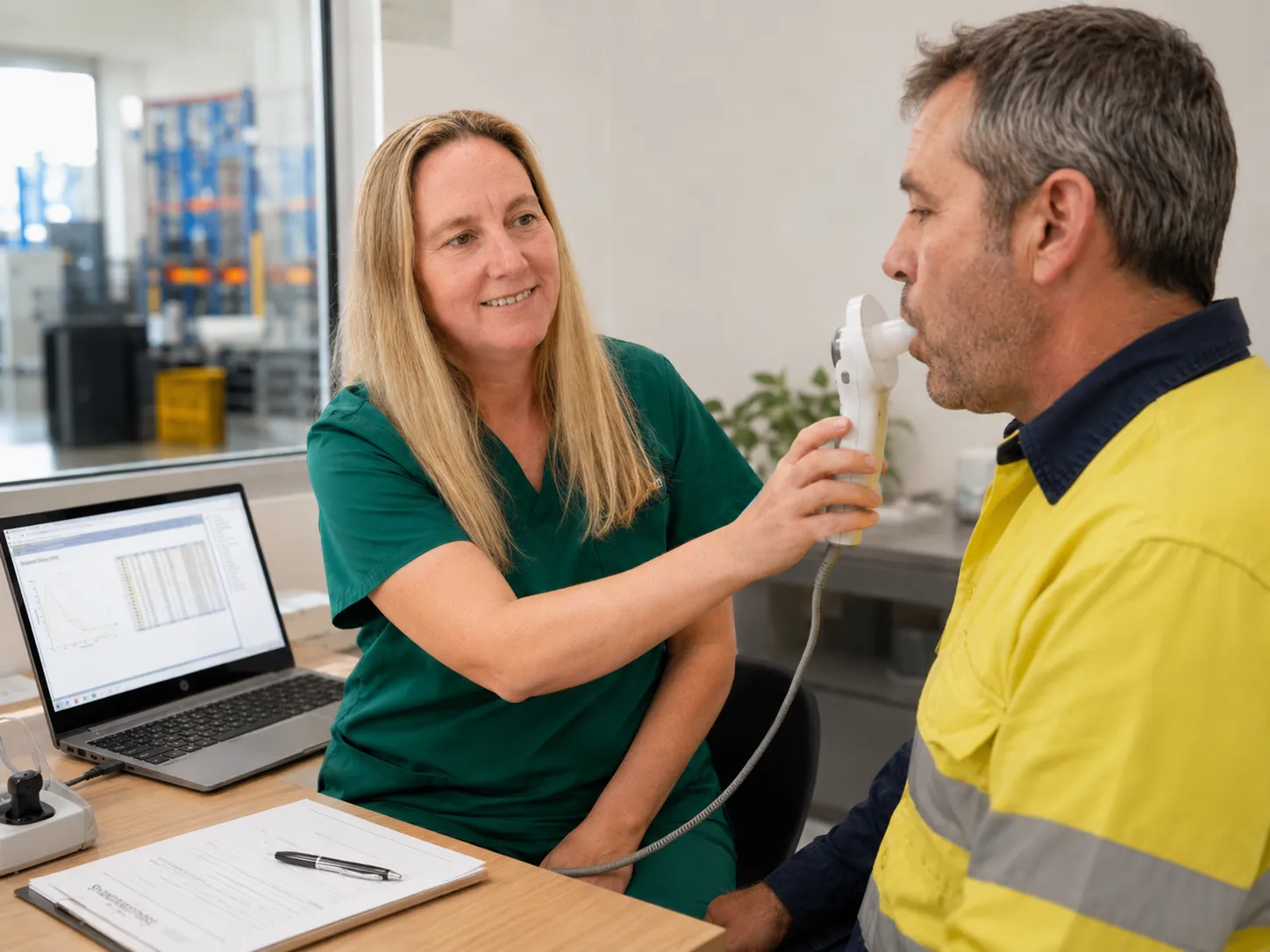
Sickness absence is at a decade high: how employers can respond
UK sickness absence has reached its highest level in over a decade. What the figures mean for employers, and the measures that bring it down.
Put the insight into practice
The interactive tools and downloads from across our service pages, gathered in one place.
Written and reviewed by our clinical team
Every Insights article is grounded in first-hand occupational health practice – written by the team who deliver our services and clinically reviewed by our physicians and occupational health advisors.
Get Medwyn Insights in your inbox
A short, practical email when we publish – workplace health, compliance and wellbeing, written for HR and business leaders.